For Australian businesses experiencing supply chain volatility and disruptions, visit the Go Global Toolkit for the latest updates and support available.
Throughout South Asia, Cochlear is taking an impact-first approach to growth – building the infrastructure and awareness to help as many people as possible, and gaining market share as a result.
A pioneer of hearing technology, Cochlear was founded in Melbourne in the 1980s by Professor Graeme Clark. Today Cochlear is the global leader in implantable hearing solutions, with operations in more than 180 countries.
The Cochlear device works through a tiny receptor, placed under the skin, which is then connected to an external sound-processing device. This effectively bypasses the whole inner ear, sending sound signals directly to the brain.
For more than 40 years, Cochlear has been committed to helping people with moderate to profound hearing loss experience a life full of hearing. It has provided more than 750,000 implantable devices – including cochlear implants, bone conduction implants and acoustic implants – helping people of all ages to hear and connect with life’s opportunities.
Changing lives in India
In 1998, the first child in India had their hearing restored with a cochlear implant. This milestone is not only the beginning of Cochlear in India, but the start of an era of possibility for millions of children in India who live with hearing loss.
In India, and South Asia more broadly, there is a huge unmet need for hearing loss treatment. The region’s large population, increasing awareness of hearing loss, and better access to solutions mean there’s still untapped opportunity.
Initially, Cochlear worked with distributors to make its technology available to people in India living with hearing loss, says Vandana Pisharody, Regional General Manager for Cochlear in South Asia and Southeast Asia.
‘With the support of Austrade, we realised how important it was to continue spreading awareness, and saw the opportunity to change the lives of so many kids,’ she says. ‘In 2011, we established a direct presence in the market to grow awareness of hearing loss and better address the unmet need for treatment.’
Starting with just half a dozen employees, today there is around 100 people in the India team. Headquartered in Mumbai, the team is spread across 30 cities to cover India’s vast geography. Implants are available at more than 500 clinics.
Cochlear is also making an impact in neighbouring Bangladesh and Sri Lanka, where approximately 1,000 people have received Cochlear implants in each country. In Nepal, approximately 150 people have had their hearing restored with a Cochlear implant.
Increasing awareness of hearing loss
Disability is still stigmatised in India. Hearing tests at birth are not mandated or standardised. This means hearing loss is not always caught until after a child’s brain has started to develop.
‘Awareness is a huge piece of what we do,’ Pisharody says. ‘Hearing loss is a hidden disability, and that meant it was going undiagnosed.’
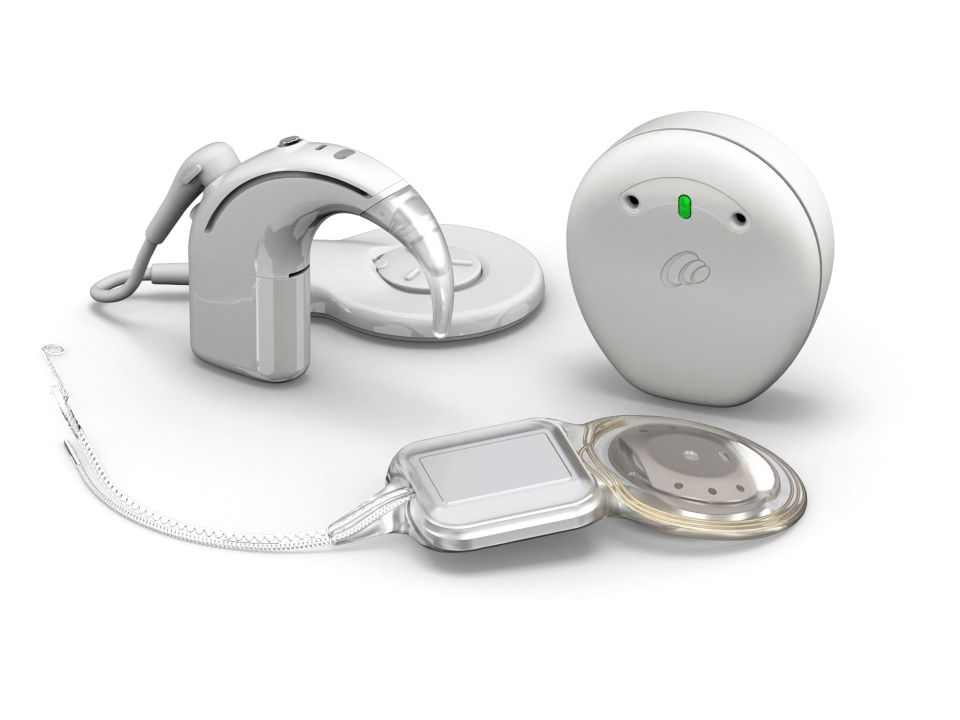
Cochlear's hearing devices are changing the lives of people in India living with hearing loss. Image courtesy of Cochlear Limited.
To transform the way people understand and treat hearing loss in India, Cochlear has introduced educational initiatives and partnered closely with health professionals and special interest groups.
One powerful way it promotes awareness is by sharing the stories of Cochlear implant recipients. Not only does this improve awareness, it also supports greater acceptance of and treatment for hearing loss.
Cochlear has also connected with local governments and philanthropic partners to fund broader access to testing, follow-up care and speech therapies. It runs training programs for ear, nose and throat (ENT) surgeons in service delivery. Cochlear is also a fierce advocate for early screening.
The company provides technology, but it’s also building the services to make it accessible, and to support recipients for life.
‘We're focusing on building the infrastructure and supporting our clinics,’ Pisharody says.
As a strategy, it’s paying off. Cochlear has about 60% of market share in India.
Still, estimates suggest that only a fifth of those who could benefit from a Cochlear implant have access.
‘As market leaders, it’s our job to not just focus on growth and share, but on building access and providing care to more people,’ Pisharody says.
‘It’s an opportunity to change lives.’
Longstanding support from Austrade
Austrade has been involved with Cochlear in India almost since the very beginning.
Austrade helped establish the first office in Delhi, and connected the team with government and private partners, helping establish dialogue with stakeholders in healthcare.
Since then, Austrade has supported outreach to new markets, including Bangladesh and Sri Lanka.
The Australia-Bangladesh Business Exchange created opportunities to showcase Cochlear’s technology and social impact story in an underserved market, with Austrade hosting networking events with experts and stakeholders.
Austrade has also created case studies and videos, building Cochlear’s profile. All of this brings a level of credibility – authority even – to the brand and its messaging.
‘A lot of the sharing, collaboration, and partnerships have been possible because they open up avenues to learn from a more developed country,’ Pisharody says.
‘We’re operating in a niche space, so to have the platform to talk about hearing loss, awareness, screening and intervention … to voice that in different forums and have Austrade support us is really something.’
Innovation to meet demand
Cochlear is starting to roll out new solutions for remote hearing tests, and ‘smart’ connected care — innovations to meet growing demand. It’s also continuing its campaign for screening at birth, in a bid to reach as many children as possible.
The opportunity is for the taking. But exporting to South Asia comes with challenges, too.
India alone has a vast population spanning states and cultures. As a nation, it’s relatively fragmented, Pisharody says.
‘You can’t cut and paste business models from other markets, or even operate in the same way in different states throughout India,’ she says.
‘Whether you come in directly or through a distributor, go local – completely local, with hands, legs, brains, hearts. Everything.’
The future is bright for Cochlear’s business in India and the people who rely on its products to hear and be heard. Cochlear’s recipient base in India has grown significantly in the last decade, which has given the company size, scale and competitive advantage.
Most importantly, it has given Cochlear a clear focus for the future, which will involve increasing the delivery of critical services, support and product updates to the people who rely on its products.
Go further, faster with Austrade
Austrade’s Go Global Toolkit helps you learn the export basics, find the right markets and understand market requirements.